

Home / News / Industry News / Backing Structure in Flooring and Wall Panels: Types and How to Choose
Content
Backing structure is one of those phrases that sounds technical until something goes wrong: a floor that rings hollow underfoot, a wall panel that flexes when you lean on it, a seam that lifts after a single heating season. In almost every case, the conversation comes back to the layer nobody sees. The backing structure is the hidden part of a floor or wall system — the felt, the woven fabric, the glass scrim, the foam, the dense mineral core — and it does far more work than its appearance suggests.
We have been producing flooring and wall materials since 1996, and we still spend more time discussing backings than decorative finishes. This article explains what a backing structure is, the types you are most likely to meet on commercial and residential projects, and how to choose one that will still make sense five years from now.
A backing sits between a finished surface and a real building, and real buildings are never as cooperative as drawings suggest. Slabs are not perfectly flat. Walls move. Rooms gain and lose humidity. People roll trolleys, drop chairs and walk the same line every day. The backing structure is the layer that absorbs, spreads and translates all of it.
When any of these functions is missing, the wear layer takes the blame. We have walked into more than one "defective" floor that turned out to be a perfectly good surface bonded to a backing that never suited the building.
Vocabulary shifts by region and product family, but most projects land on one of six backing structures. The table below is the short version we use in our own conversations with contractors and designers.
| Backing structure | Where it is common | What it does well | Points to watch |
|---|---|---|---|
| Woven jute or natural fibre | Hospitality, low-traffic interiors, natural-look finishes | Breathable, dimensionally calm, warm texture | Dislikes standing water; limited cleaning options |
| Needle-punch felt (recycled PET or wool blend) | Classrooms, offices, corridors, acoustic floors | Cushioning, sound absorption, good value | Compacts under long-term point loads |
| Fiberglass-reinforced PVC | Resilient sheet vinyl, homogeneous and heterogeneous sheet | Very stable, resists shrinkage and temperature movement | Less forgiving on rough slabs; needs a smooth base |
| Polyurethane foam | Comfort flooring, sports and multipurpose halls | Impact absorption, walking comfort, noise reduction | Quality varies widely; cheap foam loses resilience |
| Dense dry-back or cement-based | Exterior wall panels, heavy-duty floors, tile-back systems | Rigid, weather-tolerant, strong adhesive bond | Heavier panels; flatness and fixing pattern matter |
| Rigid mineral or SPC core | Locking planks, retail refurbishment, offices | High stability, hides minor slab flaws, fast to install | Needs a flat base; acoustic underlay often required |
Jute and woven natural backings stay popular where a floor should feel warm and breathe. They are stable and pleasant underfoot, but they do not enjoy standing water and are awkward to clean in kitchens and clinical spaces.
Needle-punch felt made from recycled PET or wool blends is the workhorse of classrooms, offices and corridors. It cushions, quietens and costs less than most alternatives. Its weakness is compression — heavy static loads in one spot will flatten it over time.
Fiberglass-reinforced PVC is what makes large resilient sheet installations predictable. The glass scrim holds the sheet flat through temperature swings, which is why it appears in homogeneous and heterogeneous sheet flooring for hospitals, airports and industrial corridors.
Polyurethane foam is chosen for comfort and impact absorption: sports halls, multipurpose rooms, anywhere people stand for hours. A cheap foam will lose its resilience long before the wear layer shows any sign of use.
Rigid cores are the newest branch of the family. A dense mineral or SPC core behaves more like a thin structural board than a flexible backing, which is why locking planks can go over existing hard floors with minimal preparation. The core carries the load and the décor layer only has to look good — that is the idea behind our high-stability, high-strength SPC lock floor:
 SENORA High-Stability SPC Lock FlooringHigh-strength SPC lock flooring with 31 patterns, three sizes, glue-free installation, dimensional stability, antibacterial properties, and suitability for floor heating and quick renovations.View Product →
Specification conversations go better when they start with the room rather than the sample. Three questions handle most of it: what will be dropped on the floor, what is underneath it, and who has to clean it?
In healthcare, the priorities are seamless joints, chemical resistance and coved detailing. Fiberglass-reinforced sheet with a dense backing, or homogeneous sheet where iodine and disinfectants are routine, are the usual answers.
In schools and offices, impact noise and chair traffic dominate. Felt-backed or foam-backed products cut noise, and a slightly thicker wear layer buys years of service.
In retail and fast refurbishment, downtime matters more than anything. Rigid-core planks go down over most existing hard surfaces without adhesive, which is often the difference between a weekend closure and a week of lost trading.
In wet or humid areas, the backing has to tolerate moisture rather than fight it, and dry-back or cement-based systems earn their place there.
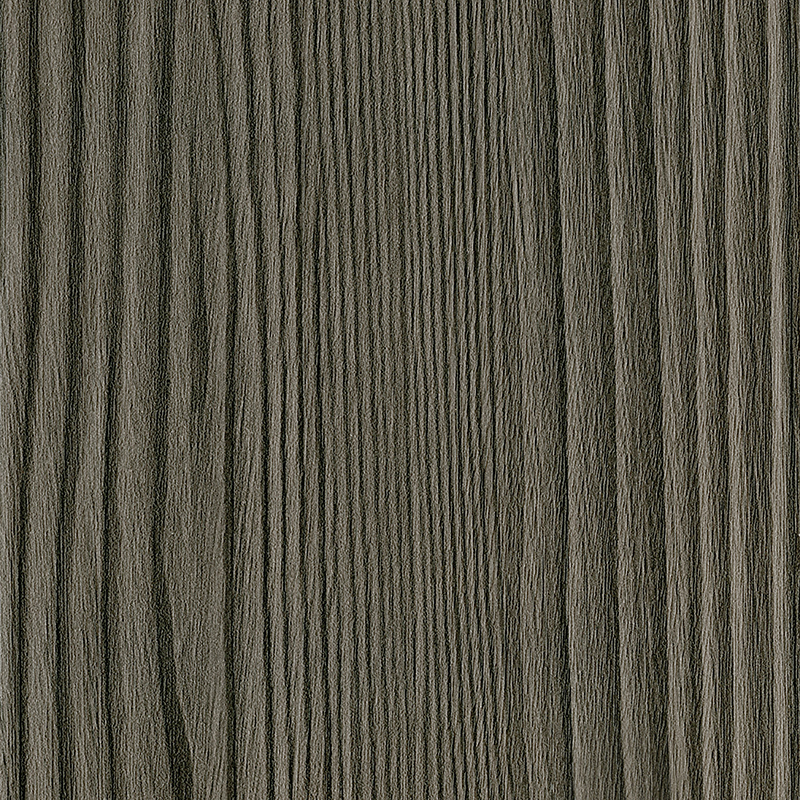
Luxury vinyl tile sits between those extremes. Dry-back LVT relies on adhesive and a well-prepared slab, and in exchange it gives a very thin finished profile — genuinely useful when door heights and transitions are already fixed. Our luxury vinyl tile range is built for exactly that constraint:
 Luxury Vinyl Tile Range for Thin-Profile Resilient FlooringLVT range with realistic stone, wood, and fabric looks, multiple variants and finishes, a thin profile for fixed transitions, and commercial, residential, and healthcare options.View Product →
If there is one sentence worth remembering, it is this: a backing structure can only be as good as the surface beneath it. Adhesive does not bridge dust, curing compounds or a slab that is still releasing moisture.
Slab moisture is behind a large share of the expensive failures we are asked to inspect, and it is one of the easiest things to test before installation rather than after. Our guidance on acceptable moisture content in the concrete slab walks through the test methods and the numbers we recommend.
Walls have their own version of the same problem. Exterior panels need a drained cavity and a fixing pattern that allows movement, so the backing is designed to sit against that cavity rather than trap water behind a decorative face. Our cement dry-back exterior wall panels follow exactly this logic:
 Cement Dry-Back Exterior Wall PanelsCementitious exterior cladding panels with drained-cavity fixing logic, fiber reinforcement, weather resistance, and tested performance for facades and demanding wall applications.View Product →
Answer those honestly and the backing choice usually makes itself. The finish is a matter of taste; the backing is a matter of engineering.
Backing structures rarely get a showroom sample, yet they are the reason a floor still looks like a floor after a decade of trolleys and cleaning crews. If you are weighing up options for a project — resilient sheet, locking plank, wall panel or something less standard — our team is happy to talk through the substrate first and the finish second. That order has served us well since 1996.



 English
 русский
 عربى
 Español