



Home / News / Industry News / Best Cleaner for LVT Flooring: pH-Neutral Care That Protects the Wear Layer
Content
LVT is forgiving, but it is not indifferent. The best cleaner for LVT flooring is usually a pH-neutral, residue-free product used with a damp microfiber mop, not the harshest degreaser in the cupboard. Luxury vinyl tile is designed to handle real life, yet its surface still has a wear layer and often a factory finish that deserve reasonable care. In our work manufacturing vinyl flooring, we see the same pattern again and again: floors that are cleaned gently and consistently look better years later than floors that are scrubbed hard once a month.
The same advice applies to luxury vinyl plank, often called LVP. The format changes, but the cleaning logic does not. What matters is what sits on the surface, how much water reaches the seams, and whether the cleaner leaves a film behind.
Luxury vinyl tile is a layered floor. A printed design sits beneath a clear wear layer, and many products also carry a factory-applied polyurethane coating. The wear layer is the part you touch, mop, and walk on. A good cleaner removes soil from that layer without attacking it, dulling it, or leaving a sticky residue that attracts fresh dirt.
Textured and embossed LVT holds soil in the grain, especially in kitchens, entryways, and commercial corridors. A gentle cleaner plus a microfiber mop lifts that soil more effectively than a flood of water. Water is useful for carrying cleaner and dirt away; it is not useful when it pools at seams, edges, and transitions.
Most everyday LVT cleaners should be close to neutral. Strong alkaline products can strip or dull some factory finishes, while ammonia, bleach, and abrasive powders are unnecessarily aggressive for routine care. Wax-based “shine” products are also a poor fit because they build up in texture and trap dirt. The goal is clean vinyl, not a new coating on top of it.
If you are still getting familiar with the category, our guide to LVT flooring meaning explains how wear layers, formats, and finishes differ. For renovation work, our easy-install and easy-to-replace LVT option is a practical reference for how installation method can affect future maintenance access.
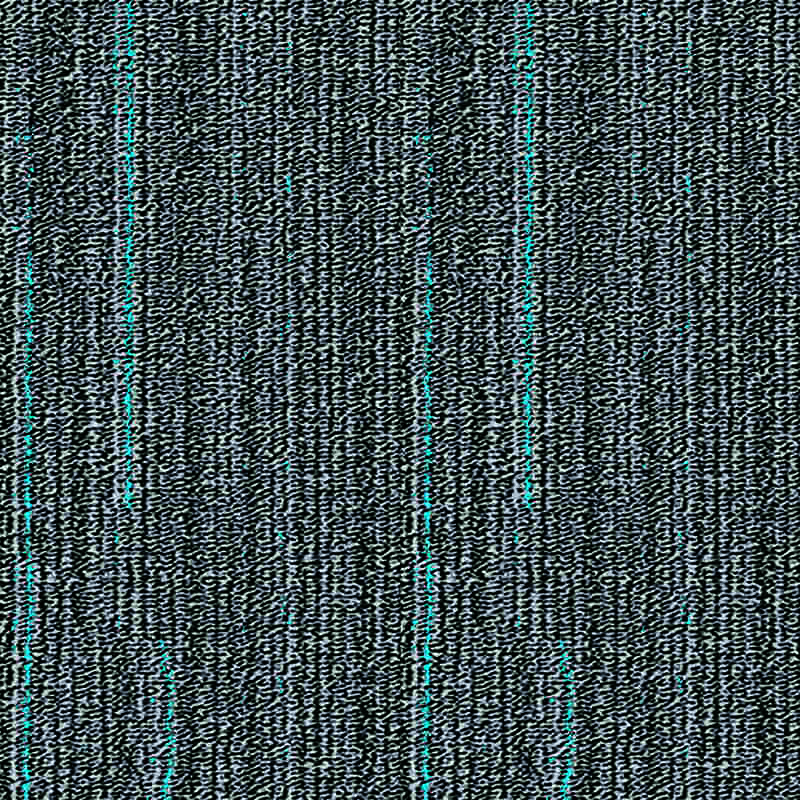 KINGSON Easy-Install LVT Flooring with Carpet-Textured OptionsAdhesive-applied luxury vinyl tiles with carpet-textured styles, sound absorption, and quick replacement for high-use spaces needing low-maintenance flooring.View Product →
The best cleaner is not defined by a single brand or a dramatic promise. Look for a product labeled for vinyl or LVT, a pH-neutral formula, clear dilution instructions, and a residue-free finish. Concentrates can be economical, but only when measured properly. Too much cleaner leaves a film that makes the floor look dull and feel tacky.
| Cleaner type | Best use | What to watch |
|---|---|---|
| pH-neutral vinyl cleaner | Daily dust, light grease, and general mopping | Dilute exactly; no sticky residue should remain |
| Enzyme cleaner | Food, pet accidents, and organic odors | Allow dwell time, then rinse; do not let it pool at seams |
| Mild alkaline degreaser | Kitchen film, lotion, and sun cream buildup | Use occasionally and rinse; repeated high-pH use can dull finishes |
| Diluted isopropyl alcohol | Ink, scuffs, and adhesive residue | Spot test first; apply to a cloth, not directly to the floor |
| Products to skip | Bleach, ammonia, abrasives, wax, oil soap, and steam | They can strip, dull, leave film, or force moisture into seams |
A simple routine works better than an aggressive one. Start by removing dry soil with a soft broom or a vacuum set for hard floors. Grit acts like sandpaper under foot traffic, so this step matters even when the floor does not look dirty.
For wood-grain and deeply textured surfaces, use a soft brush only if the manufacturer allows it, and keep the pressure light. A damp mop should leave the floor visibly moist for a short time, not wet enough to create puddles. If water beads around a seam, it is time to wring the mop out more thoroughly.
Start with a pH-neutral cleaner and a little dwell time. If the mark remains, use a mild alkaline degreaser on a small area, then rinse with clean water. Do not turn a spot treatment into a full-floor wash; repeated alkaline cleaning may leave the finish looking tired.
Diluted isopropyl alcohol on a microfiber cloth can remove many scuffs and adhesive marks, but test it on an inconspicuous spot first. Avoid acetone, paint thinner, and abrasive pads. For chewing gum or hardened residue, use a plastic scraper gently after softening the material, never a metal blade.
Blot up as much liquid as possible, then use an enzyme cleaner according to its label. Keep the area ventilated and rinse afterward. Urine and food spills can leave odor-causing residue in texture, so patience and a proper dwell time are more effective than scrubbing harder. If you are planning LVT for a commercial project and need to match a wear layer to a cleaning regime, our team can discuss the options through our contact page.
Most dull-looking LVT has not failed. It has simply been cleaned in a way that leaves residue or light surface damage. Watch for these habits:
Prevention is part of cleaning. A good mat at the door, felt pads under furniture, and a quick sweep before mopping will do more for the appearance of LVT than any single heavy-duty product.
The best cleaner for LVT flooring is the one that lifts soil, leaves no film, and respects the wear layer. For most homes and commercial spaces, that means a pH-neutral cleaner, a damp microfiber mop, and a little restraint with water. Keep a mild degreaser and an enzyme cleaner for the occasions that need them, and leave bleach, abrasives, wax, and steam out of the routine.
Clean LVT should look like the floor you chose, not like a coated surface with trapped dirt. A gentle weekly rhythm, prompt spot cleaning, and careful dilution will protect the finish and make the floor easier to live with. That is a quieter kind of shine, and it lasts longer.





 English
 русский
 عربى
 Español

