

Home / News / Industry News / How to Choose Flooring for Hospital Operating Rooms | Homogeneous PVC Guide
Content
The operating room is one of the most demanding environments in any healthcare facility. Every surface — including the floor — must meet a precise set of clinical, safety, and durability requirements that standard commercial flooring simply cannot satisfy. The wrong flooring choice can compromise infection control, endanger sensitive equipment, and create unnecessary maintenance burdens for already stretched hospital teams.
Among the available materials, homogeneous PVC flooring has emerged as the benchmark solution for hospital operating rooms worldwide. This guide explains why — and what to look for when specifying it.
General hospital corridors and patient rooms require durable, easy-to-clean flooring. Operating rooms go several steps further. Consider the specific stressors an OR floor must withstand every single day:
Meeting all five of these demands simultaneously rules out most conventional flooring options — ceramic tile (hard, cold, prone to grout contamination), polished concrete (porous, static-generating), and standard heterogeneous vinyl (layered structure that traps bacteria if the surface is breached). This is precisely where homogeneous PVC flooring excels.
Homogeneous PVC flooring — also called homogeneous vinyl or through-color vinyl — is manufactured as a single, uniform layer of material from top to bottom. The raw materials (polyvinyl chloride resin, plasticizers, stabilizers, limestone, and pigments) are blended, consolidated under heat and pressure, and formed into a continuous roll sheet. Because the composition is identical throughout the entire thickness, the color and performance properties are consistent whether you are looking at the surface or a cross-section.
This is fundamentally different from heterogeneous (multi-layer) vinyl flooring, which consists of a decorative layer bonded over backing layers. The table below summarizes the critical distinctions:
| Feature | Homogeneous PVC | Heterogeneous PVC |
|---|---|---|
| Structure | Single uniform layer | Multiple bonded layers |
| Surface damage | Reveals identical material underneath | Exposes backing layers — creates hygiene risk |
| Antibacterial treatment | Throughout entire thickness | Surface layer only |
| Typical thickness | 2.0 mm – 3.0 mm | 1.5 mm – 3.5 mm |
| Best suited for | ORs, ICUs, clean rooms, corridors | Patient rooms, offices, lower-traffic areas |
For operating rooms and other critical care zones, the homogeneous construction is not merely preferable — it is the industry-accepted standard in most major healthcare markets.
Homogeneous PVC sheet flooring is installed as a continuous roll and heat-welded at seams using a matching welding rod. The result is a completely seamless surface with no joints, gaps, or grout lines where pathogens can accumulate. This is essential in an environment where infection control protocols are enforced at every level.
Leading-grade homogeneous floors also incorporate built-in antibacterial and anti-fungal treatments during manufacture — effective against common hospital pathogens including Staphylococcus aureus and E. coli. Because the treatment runs throughout the full thickness, it remains active even if the surface experiences minor abrasion over years of use.
Additionally, the coved installation technique — where the floor material is turned up the wall to form an integrated base — eliminates the floor-to-wall junction entirely, closing the last potential harbor for bacteria.
Operating rooms that handle flammable anesthetic agents or house sensitive electronic monitoring equipment are designated as "ESD-controlled" environments. The floor must maintain a consistent electrical resistance within a defined range — typically between 10⁴ Ω and 10⁶ Ω for static-dissipative classification.
Conductive and static-dissipative homogeneous PVC floors achieve this through integrated carbon fiber or conductive filler technologies. Unlike surface coatings that wear away, the anti-static properties in a homogeneous product are engineered into the material itself, providing permanent, maintenance-free ESD performance over the floor's entire service life.
Our anti-static flooring range is specifically engineered to meet the requirements of hospital operating theaters, clean rooms, and electronic manufacturing environments.
Homogeneous PVC flooring is classified for heavy commercial and industrial use, typically rated at Group T (extra heavy) in the EN 685 wear classification. Its dense, compressed single-layer structure distributes load effectively, resisting indentation from surgical equipment casters, imaging unit wheels, and heavy instrument trolleys.
The through-color construction also means that surface wear does not change the performance characteristics of the floor. A scalpel dropped in an OR will not expose a different backing material — the homogeneous product simply shows a small mark of the same composition, which does not create a hygiene compromise or structural weakness.
Under normal hospital operating conditions, a quality homogeneous PVC floor carries a service life of 15 to 20 years — offering superior long-term value compared to softer heterogeneous alternatives.
Hospital cleaning teams apply disinfectants daily, sometimes multiple times per shift. Flooring that requires regular stripping and re-waxing wastes labor hours and introduces the risk of product build-up that can trap contaminants.
Premium homogeneous PVC flooring is treated with a deep polyurethane (PUR) reinforcement layer that creates a permanently protected surface. This treatment delivers three practical benefits:
This low-maintenance profile significantly reduces total lifecycle cleaning costs — a factor that hospital facility managers increasingly weigh alongside upfront material price when specifying flooring.
Patient and staff safety extends beyond infection control. Homogeneous PVC flooring for healthcare applications is manufactured to achieve a minimum slip resistance of R9 (DIN 51130), with specialist wet-area products reaching R10 or higher for scrub and sluice rooms adjacent to the OR.
From a fire safety perspective, quality homogeneous PVC floors meet Class Bfl-s1 or higher (EN 13501-1), meaning they are flame-retardant and produce limited smoke in the event of fire — critical in enclosed surgical environments where evacuation may be complex.
Additional safety properties commonly specified for OR environments include resistance to cigarette burns and spot thermal damage, which preserves both the floor's appearance and its hygienic integrity over time.
With the advantages clear, the following checklist will help procurement teams and healthcare designers make a confident specification decision:
| Factor | Recommended Specification | Why It Matters |
|---|---|---|
| Thickness | 2.0 mm minimum; 3.0 mm preferred for ORs | Greater thickness = better load distribution and longer service life |
| ESD Classification | Static-dissipative (10⁴–10⁶ Ω) or conductive (<10⁴ Ω) | Mandatory in rooms with flammable gases or sensitive electronics |
| Certifications | CE marking, ISO 14001, EN 649, EN 685 | Verifies performance claims and environmental compliance |
| Surface Treatment | Permanent PUR (polyurethane reinforcement) | Eliminates wax cycles; maintains hygiene over time |
| Seam Treatment | Heat-welded with matching welding rod | Creates a seamless, bacteria-resistant surface |
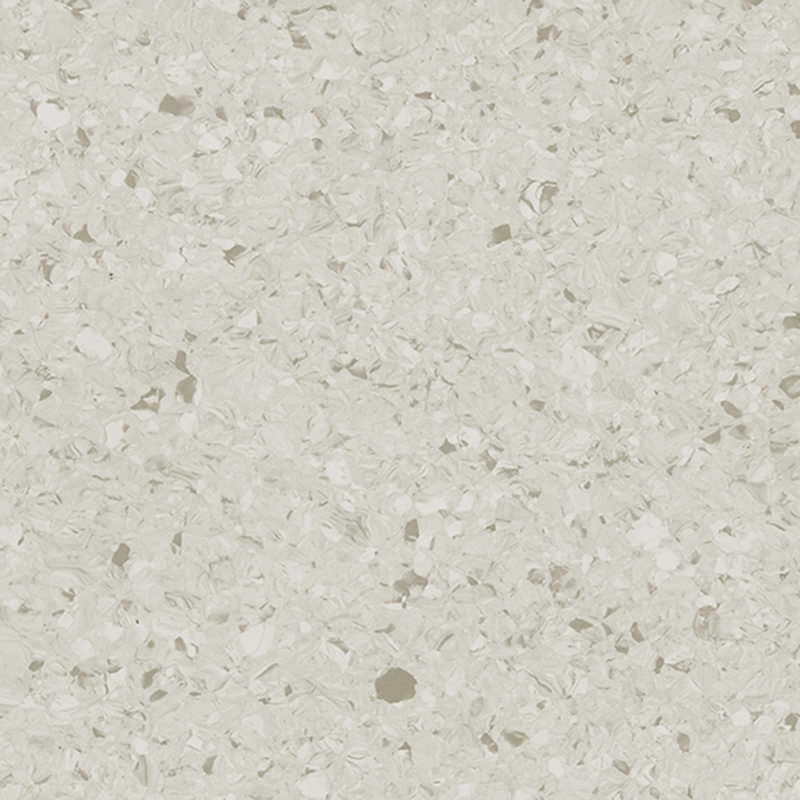
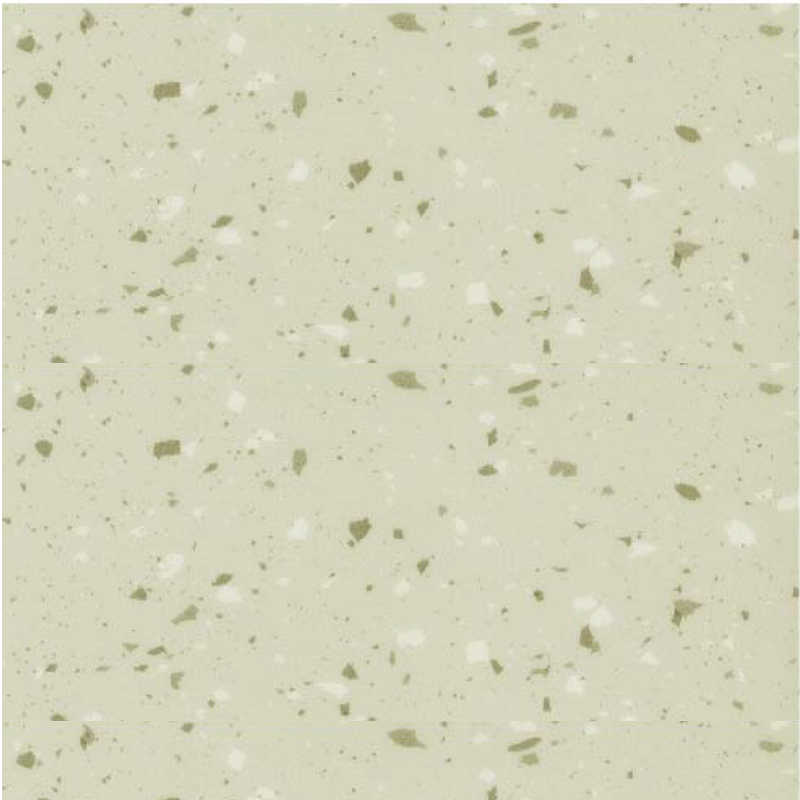
| Color Selection | Light neutral tones (warm grey, beige, sage) | Facilitates visual inspection for cleanliness; reduces visual fatigue |
| Fire Rating | Class Bfl-s1 minimum (EN 13501-1) | Required by most national hospital building codes |
It is also worth confirming with your supplier whether the flooring is compatible with radiant floor heating systems, as some OR suites incorporate underfloor heating for patient comfort during extended procedures.
Selecting the right flooring for a hospital operating room is a decision that affects patient safety, infection control outcomes, staff wellbeing, and facility management costs for the next two decades. Homogeneous PVC flooring addresses all five critical requirements — seamless antibacterial construction, permanent anti-static protection, heavy-load durability, zero-wax maintenance, and certified slip and fire resistance — in a single, cost-effective solution.
Shanghai Dajulong New Material offers a comprehensive range of homogeneous flooring solutions engineered for healthcare environments, available in a wide palette of colors and in both standard and ESD-rated specifications. Explore our project cases to see how our flooring has been specified in hospitals and medical facilities worldwide, or contact our technical team to discuss your specific operating room requirements.



 English
  русский
 عربى
عربى Español