Content
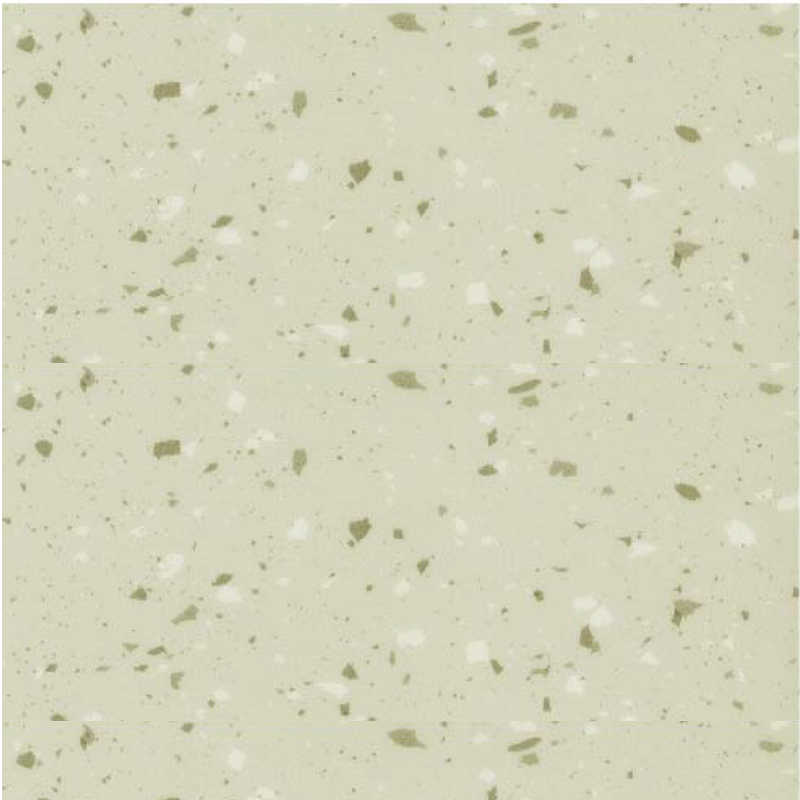
Anti-static tiles flooring is a specialized category of floor covering engineered to control the buildup and discharge of electrostatic energy. Unlike standard flooring materials, these tiles incorporate conductive or dissipative compounds throughout their structure — typically carbon fibers, metallic particles, or conductive polymers — that create a controlled pathway for static charges to travel safely to the ground.
The underlying science is straightforward. When people walk across a floor, friction between shoe soles and the surface generates static electricity. In most settings, this is a minor inconvenience — the familiar small shock when touching a doorknob. In environments where sensitive electronics, flammable materials, or precise instruments are present, however, an uncontrolled electrostatic discharge (ESD) can destroy components, trigger explosions, or corrupt data.
Anti-static tile flooring addresses this by maintaining a measurable electrical resistance — typically between 10⁴ and 10⁹ ohms — that allows static charges to bleed away continuously rather than accumulate to dangerous levels. The tiles work in conjunction with a grounding system: a conductive adhesive layer and copper grounding strips connect the floor to an earth ground point, completing the circuit and neutralizing charges before they can cause harm.
The demand for anti-static tiles spans a wide range of industries, anywhere that electrostatic discharge poses a risk to equipment, product integrity, or personnel safety.
Not all anti-static tiles are equivalent. The two primary categories — conductive and static dissipative — serve different protection levels and are selected based on the specific resistance requirements of the application.
| Type | Resistance Range | Best For |
|---|---|---|
| Conductive (ESD) | 10⁴ – 10⁶ ohms | Semiconductor fabs, explosive environments |
| Static Dissipative | 10⁶ – 10⁹ ohms | Electronics assembly, data centers, labs |
| Anti-Static (general) | 10⁹ – 10¹² ohms | General commercial, light industrial |
Conductive tiles discharge static very rapidly and are required in environments where even the briefest charge accumulation is unacceptable — such as explosive storage or high-precision semiconductor manufacturing. Static dissipative tiles slow the rate of discharge slightly, which is actually preferable in many electronics assembly settings because too-rapid discharge can itself cause ESD damage to sensitive components.
Beyond the electrical classification, anti-static tiles are manufactured in several materials. Conductive PVC tiles are the most widely specified due to their balance of performance, durability, and ease of installation. For facilities that also need roll-format solutions, anti-static flooring rolls offer seamless coverage without tile joints, reducing dust accumulation risks in ultra-clean environments.
Selecting the correct anti-static tile flooring requires evaluating several technical and practical factors simultaneously. A mismatch between tile specification and environment can leave equipment vulnerable or, in the case of overly conductive flooring in a personnel-heavy area, create safety risks for workers.
The key criteria to assess include:
For heavy industrial environments where chemical resistance is also a priority, PVC industrial flooring may complement or substitute for standard anti-static tile in designated zones.
The performance of anti-static tile flooring depends as much on correct installation as on the tile specification itself. A properly grounded floor with a well-chosen adhesive will maintain its stated resistance values throughout its service life; a poorly installed floor may test out of specification within months.
Installation essentials:
Maintenance guidelines: Anti-static tiles should be cleaned with ESD-safe cleaning solutions. Standard floor waxes and sealers are typically non-conductive and will coat the tile surface, raising its resistance value above specification limits. Many modern conductive PVC tiles are designed with a factory finish that eliminates the need for any topcoat application. Periodic re-testing of floor resistance — at least annually or after any major cleaning or repair work — ensures continued compliance with ESD standards.
For areas where a floating installation is preferred, luxury vinyl tile systems with interlocking profiles offer an alternative that simplifies replacement of individual tiles when localized damage occurs.
Among the available anti-static tile materials, conductive PVC has emerged as the industry standard for most commercial and industrial ESD applications. The reasons are practical: PVC tiles combine a broad resistance range, proven long-term performance, dimensional stability, and a significantly lower installed cost compared to epoxy systems or raised-access flooring alternatives.
High-quality conductive PVC anti-static tiles offer several additional advantages:
As a professional anti-static tiles manufacturer, Dajulong produces conductive PVC flooring solutions that meet rigorous international quality standards, backed by comprehensive quality management systems covering every stage from raw material intake to final delivery. Whether equipping a new electronics manufacturing facility, upgrading an existing cleanroom, or specifying flooring for a data center expansion, anti-static tile flooring is a foundational investment in equipment protection, operational reliability, and workplace safety.



 English
  русский
 عربى
عربى Español