



Home / News / Industry News / Best Flooring for Veterinary Hospitals: Materials, Zones & Buying Advice
Content
A busy morning in a veterinary hospital puts iodine prep solution, anesthetic drip lines, a frightened cat's claws, kennel-caster traffic, and a bucket of quaternary ammonium disinfectant onto the same few square meters of floor before lunch. Very few commercial surfaces face that combination every working day, which is why ordinary office flooring rarely survives its first year in an animal hospital.
Here is the conclusion up front: the best flooring for a veterinary hospital is heat-welded homogeneous PVC sheet in surgery, treatment, and imaging areas; antibacterial heterogeneous vinyl in reception, corridors, and exam rooms; and slip-resistant rubber flooring in grooming bays, wash areas, and kennels. Sheet materials with welded seams win because veterinary floors almost never fail across their surface. They fail at joints, edges, and grout lines, where moisture, urine, and bacteria collect and work their way underneath.
Four pressures decide whether a floor lasts fifteen years or five in this environment.
Each material below is judged against those four pressures.
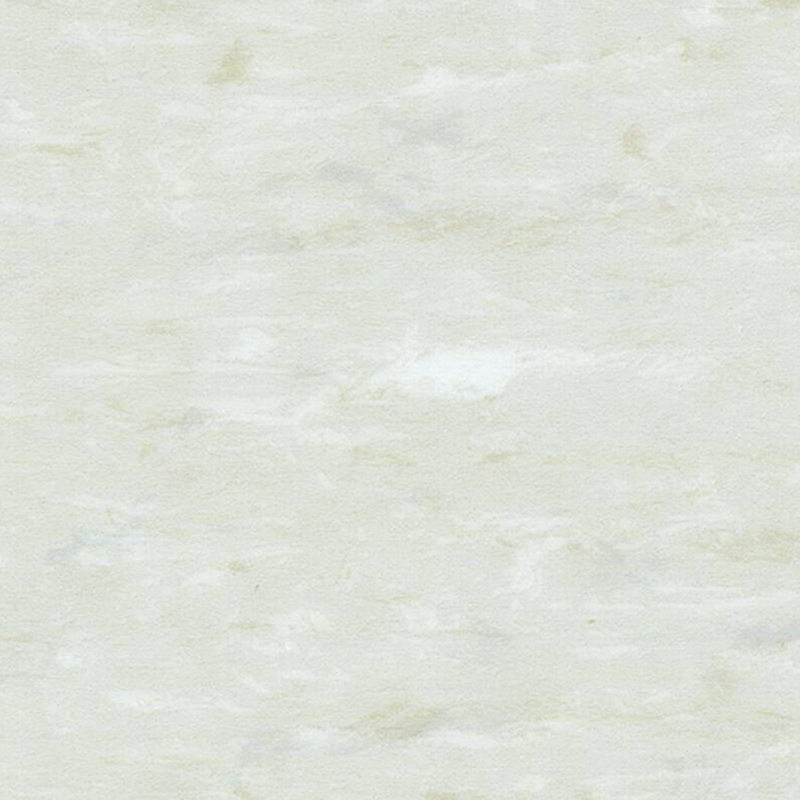
Homogeneous vinyl is the same material from surface to backing, so color and pattern run through the full thickness. Two consequences matter in an animal hospital. First, the floor can be heat-welded into a single impervious surface with no open joints. Second, variants are engineered specifically to resist iodine and other staining agents used in surgical preparation, so a drip on the floor does not become a permanent mark. Specify a gauge of at least 2.0 mm with a factory-applied PUR surface treatment: cage wheels and gurney traffic stay in the wear surface, and no wax program is needed for years. This is the specification most often written for operating, treatment, and diagnostic imaging rooms.
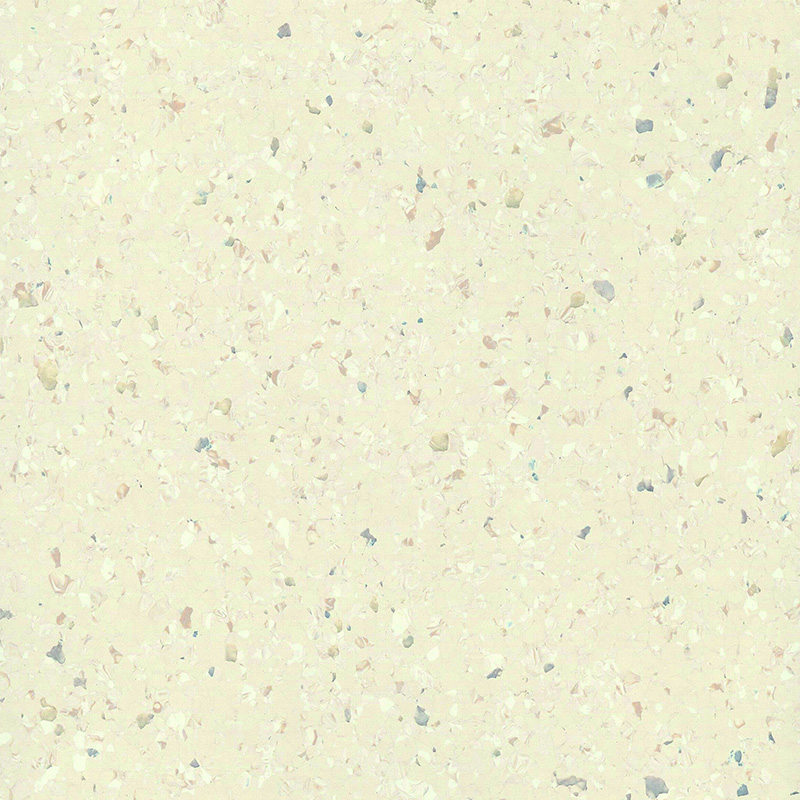 Iodine-Resistant Homogeneous Vinyl FlooringUniform through its full thickness, this sheet flooring heat-welds into a seamless, impervious surface. Its iodine and stain resistance suits operating, treatment, and imaging rooms where surgical preps routinely drip onto the floor.View Product →
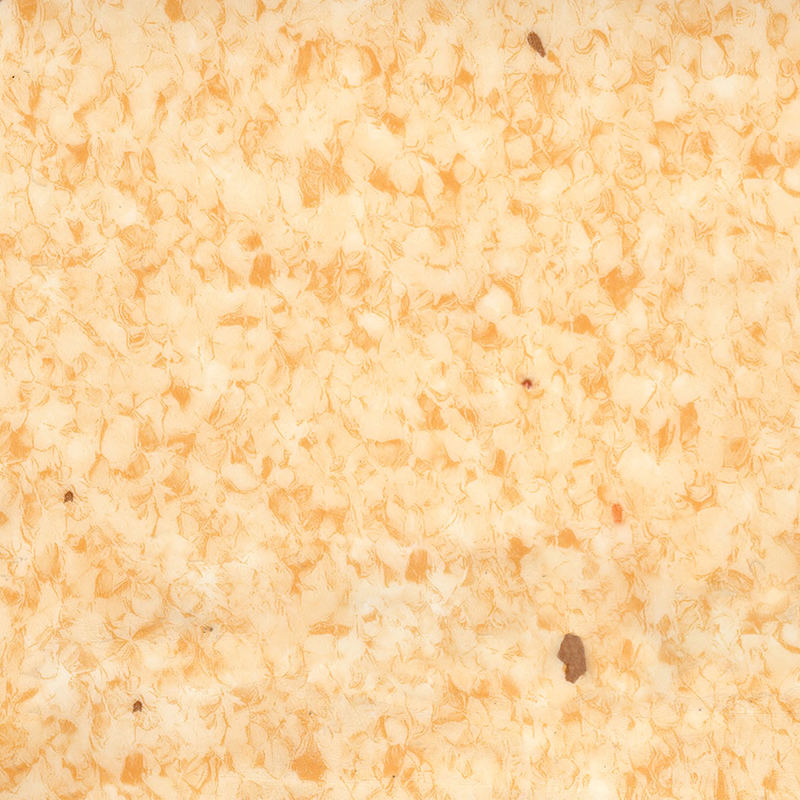
Heterogeneous flooring layers a printed design under a clear wear layer on a resilient core. Wood, stone, and soft abstract visuals take the institutional edge out of reception areas, exam rooms, and boarding suites, which owners notice and nervous animals benefit from. For veterinary use, insist on a commercial wear layer of 0.5 mm or more and an antibacterial surface treatment that works alongside your disinfectant routine. Like homogeneous sheet, quality heterogeneous product welds and coves, so the hygiene case survives even in the decorated zones.
 Anti-Bacterial Heterogeneous Vinyl FlooringDecorative wood and stone visuals soften reception and exam areas while a 0.5 mm wear layer, antibacterial treatment, and weldable seams keep hygiene and comfort intact in busy clinical spaces.View Product →
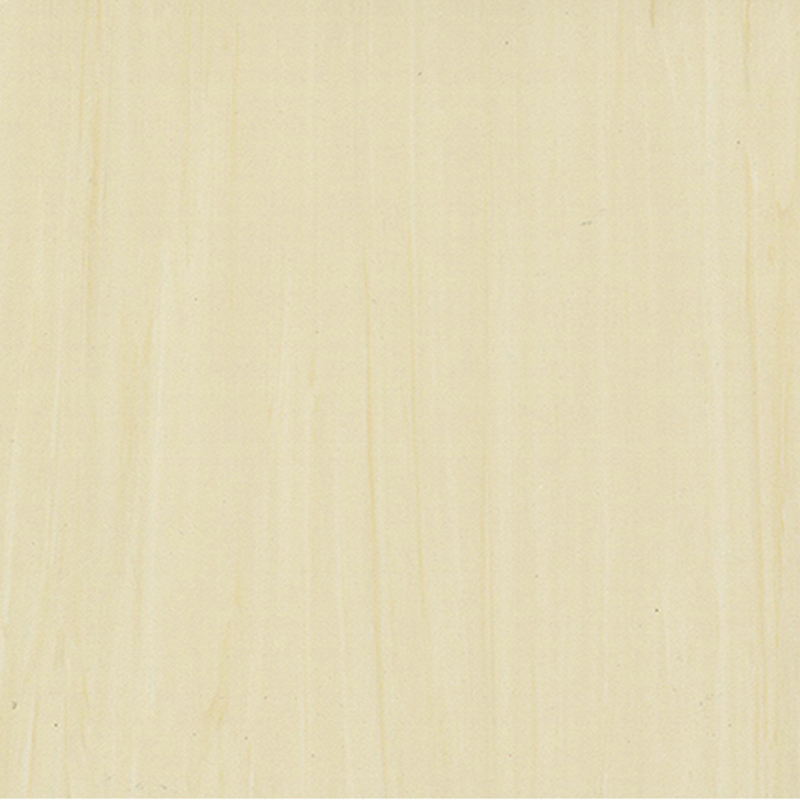
Rubber earns its place wherever animals are wet, excited, or standing for long periods. Its natural slip resistance holds up under water and shampoo in grooming runs and hydrotherapy areas, its elasticity absorbs the impact of kennel traffic, and it dampens claw clatter and cart noise, a genuine welfare issue for boarded animals and a fatigue issue for groomers and technicians. Confirm compatibility with your disinfectants before ordering, and in wet zones choose material designed for welded or tightly fitted seams.
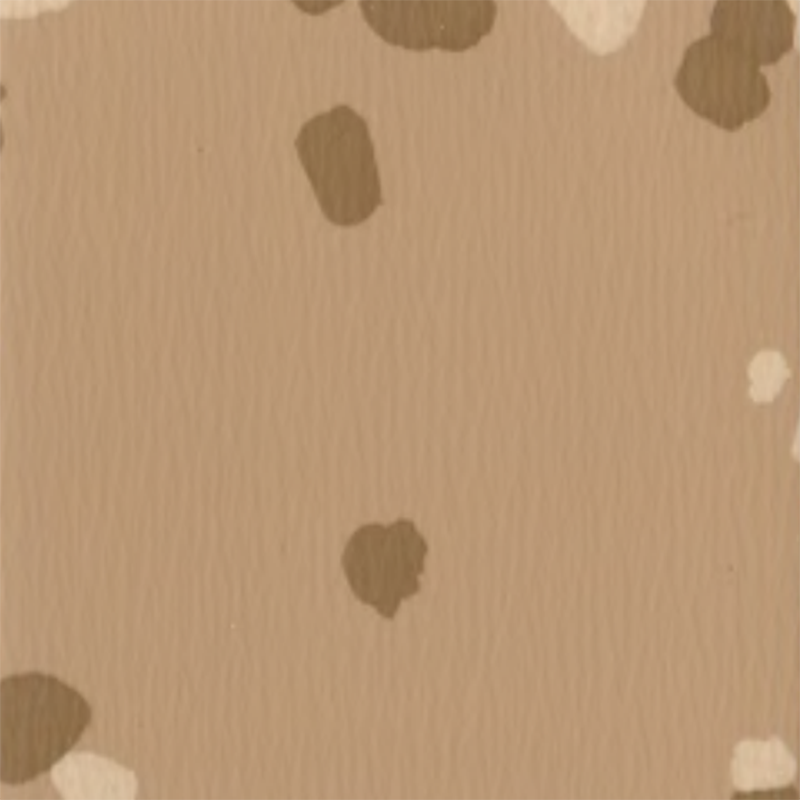 Anti-Slip Scratch-Resistant Rubber FlooringNaturally slip-resistant even when wet, rubber cushions kennel traffic, absorbs claw clatter and cart noise, and eases standing fatigue for groomers and technicians, making it ideal for grooming and hydrotherapy zones.View Product →
Poured epoxy and terrazzo have loyal supporters in the veterinary community, and the case is fair: on a well-prepared slab they are genuinely seamless and shrug off heavy traffic. The limits appear in daily use. Slab movement eventually telegraphs through as hairline cracks that collect soil, the surface is hard underfoot for staff and recumbent patients, integral coving takes extra detail work, and repairs read as visible patches. They remain a sensible choice for utility rooms and loading zones, as a complement to resilient sheet in clinical space rather than a replacement for it.
No single product suits every room, so specify by zone. The matrix below reflects how veterinary practices actually fail their floors.
| Zone | Dominant risks | Recommended flooring | Key detail |
|---|---|---|---|
| Reception and waiting | Claws, trolleys, spilled water, first impressions | Heterogeneous vinyl, 0.5 mm or thicker wear layer | Entrance matting; welded seams at door thresholds |
| Exam and consult rooms | Urine, claws, iodine drips | Homogeneous or heterogeneous sheet | Coved skirting at least 100 mm high |
| Surgery and treatment | Iodine, blood, instruments, strict hygiene | Homogeneous PVC sheet, 2.0 mm, PUR surface | Heat-welded seams, welded to coved skirting |
| Imaging and laboratory | Heavy equipment loads, chemical spills | Homogeneous PVC sheet | Check point-load limits under equipment feet |
| Grooming and wash bays | Standing water, shampoo, slipping | Slip-resistant rubber flooring | Falls to drainage; sealed perimeter |
| Kennels and boarding | Urine, noise, cage casters | Rubber flooring or homogeneous sheet | Welded seams; rubber adds acoustic damping |
| Corridors | Continuous wheeled traffic | Homogeneous or heterogeneous sheet | Abrasion reserve; matte, low-glare finish |
Walls deserve the same logic. Coved skirting plus impact-resistant wall panels or PVC wall cladding at cart height keeps the whole wall-floor junction washable, which is exactly where cleaning carts do their damage.
Two hospitals can buy the same sheet vinyl and end up with completely different outcomes, because installation decides whether the hygiene design survives contact with reality.
Buying decisions in this category are won on total cost of ownership, not sticker price. Adhesive, leveling compound, welding, coving, and downtime routinely exceed the cost of the material itself, and a floor that needs stripping and recoating every year quietly becomes the most expensive option on the table. Before signing, put these points in writing:
Supplier depth matters more than it first appears. A manufacturer that runs its own flooring and wall material lines across multiple plants, as Dajulong does, can hold color and batch consistency across a phased build-out in a way that resellers of mixed stock cannot always promise.
Budgeting by room type keeps the estimate honest: our zone-by-zone healthcare flooring cost analysis breaks the same logic into per-area costs, and it maps closely onto veterinary hospital layouts.
A correctly specified floor is easy to keep hygienic, but only with a routine that matches the material:
Done consistently, this routine is what separates a floor that still looks sound and welds tight at year twelve from one replaced at year six.
The working answer to the question of the best flooring for a veterinary hospital: heat-welded homogeneous PVC sheet wherever iodine, instruments, and infection control dominate; antibacterial heterogeneous vinyl in corridors, exam rooms, and client-facing areas; slip-resistant rubber in wet and kennel zones. Then spend as much care on seams, coving, and slab preparation as on the material itself, because those details, more than anything printed on the roll, decide whether the floor is still serving patients a decade later.




 English
  русский
 عربى
عربى Español
