Content
Moisture-resistant PVC wall panels are waterproof, low-maintenance, and cost-effective wall cladding solutions designed specifically for environments where humidity, splashing, or condensation is a daily reality. Unlike drywall, plaster, or untreated wood, PVC panels do not absorb water — meaning they won't swell, warp, crack, or grow mold under prolonged moisture exposure. For bathrooms, kitchens, laundry rooms, and commercial wet rooms, they offer a durable alternative that can outlast many traditional materials with minimal upkeep.
Studies on building material failures consistently show that moisture is the leading cause of interior wall deterioration, accounting for a significant portion of renovation costs in residential properties. PVC panels directly address this vulnerability.
PVC (polyvinyl chloride) is inherently non-porous. Water cannot penetrate its surface, which is the foundation of its moisture-resistant properties. Most PVC wall panels used in construction are either solid PVC or hollow-core extruded panels, and both variants share the same fundamental waterproof characteristic.
Additional layers of protection are often added during manufacturing:
It's worth noting that the panels themselves being waterproof is only part of the equation. Proper installation with waterproof adhesive, sealant at edges, and appropriate substrate preparation is equally critical to preventing moisture from working its way behind the panels.
Not every room demands moisture-resistant cladding, but in high-humidity zones, the investment pays off quickly. Here are the primary use cases:
This is the most common application. PVC panels are installed around shower enclosures, above bathtubs, and across full bathroom walls as a direct tile alternative. A typical full bathroom installation using PVC panels can be completed in under a day, compared to two to three days for tiling including grouting and curing time.
Behind stovetops and sinks, PVC panels resist both moisture and grease buildup. Their smooth surface makes wiping down effortless, and there are no grout lines to trap food particles — a significant hygiene advantage in food preparation areas.
Washing machines and dryers generate considerable heat and steam. PVC wall cladding prevents the wall surfaces behind appliances from absorbing that moisture, which would otherwise lead to mold development over months.
Commercial kitchens, food processing facilities, swimming pool changing rooms, and healthcare facilities routinely use PVC wall panels because they comply with hygiene standards and can withstand high-pressure washing. In food industry settings, hygienic PVC cladding is often required under local health codes as a surface that can be sanitized without degradation.
PVC panels are not the only moisture-resistant option on the market. Understanding how they compare to alternatives helps in making the right choice for a specific project.
| Material | Waterproof | Installation Ease | Maintenance | Cost (Relative) | Lifespan |
|---|---|---|---|---|---|
| PVC Wall Panels | Yes | Very Easy | Very Low | Low–Medium | 15–25+ years |
| Ceramic Tile | Yes (surface only) | Complex | Medium (grout upkeep) | Medium–High | 20–30 years |
| Cement Board | Resistant, not waterproof | Moderate | Low | Medium | 20+ years |
| Fiberglass Panels | Yes | Easy | Low | Medium–High | 20–30 years |
| Moisture-Resistant Drywall | No (only resistant) | Easy | Medium | Low | 10–15 years (wet areas) |
The key takeaway from this comparison: PVC panels offer the best balance of waterproofing, ease of installation, and low cost — though they may not match the premium aesthetic of high-end tile in all settings.
Not all PVC wall panels perform equally. Here's what to evaluate before purchasing:
Panels typically range from 5mm to 10mm in thickness. Thicker panels (8–10mm) offer better rigidity and impact resistance, making them more suitable for high-traffic commercial environments. For residential bathrooms, 5–8mm is generally sufficient.
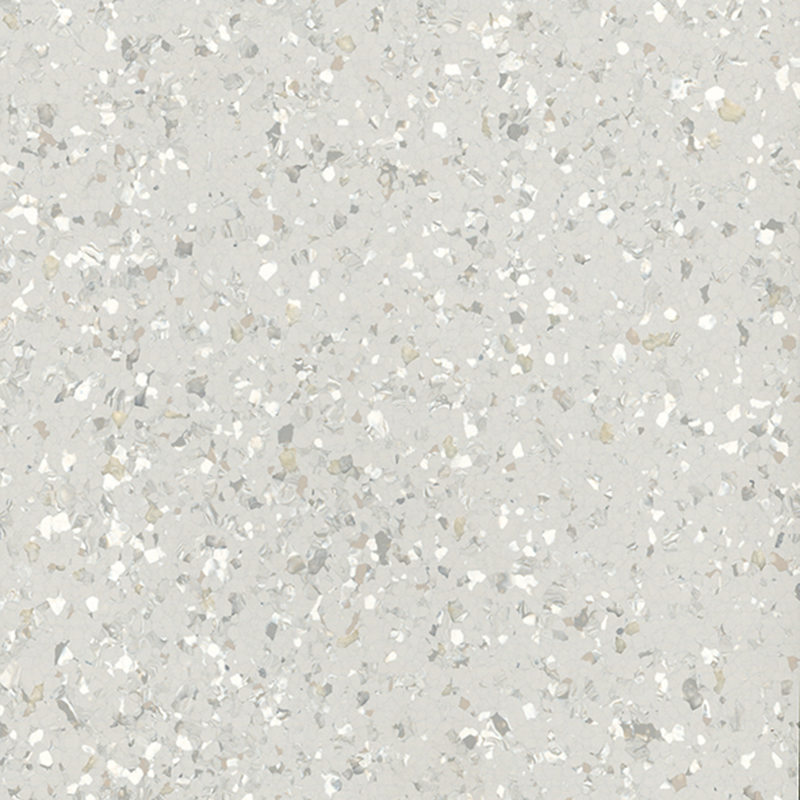
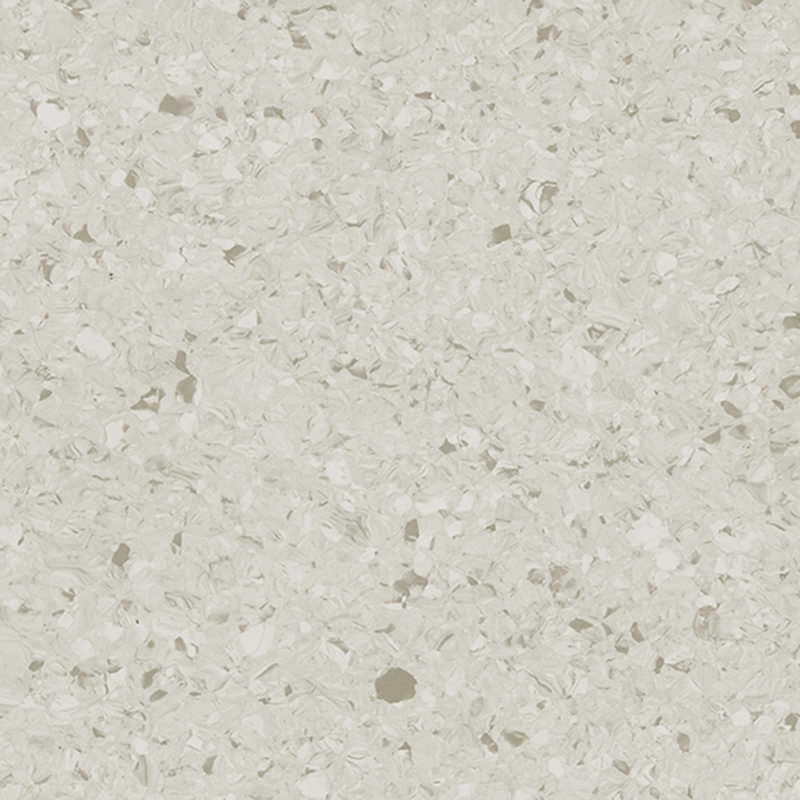
Options include gloss, matte, wood-effect, stone-effect, and tile-effect finishes. Glossy surfaces reflect light and make spaces feel larger — useful in compact bathrooms — but show water spots more readily. Matte finishes are more forgiving in terms of surface marks but may be harder to clean in grease-prone environments.
Standard PVC is combustible. In commercial settings or anywhere fire safety regulations apply, look for panels rated to Class B or Class C fire performance under EN 13501-1 (European standard) or equivalent local standards. Fire-retardant additives in some PVC formulations significantly improve this rating.
Tongue-and-groove systems create seamless-looking walls and are faster to install. Click-lock profiles offer even tighter joints. For areas with direct water exposure like shower walls, fully interlocked edges with silicone sealant at all perimeter joints provide the most reliable water barrier.
Look for panels that comply with relevant standards such as ISO 9001 (quality management), RoHS compliance (restricted hazardous substances), and any regional building codes. In food service environments, food-safe certifications matter significantly.
Even the highest quality PVC panels will underperform if installed incorrectly. The following steps reflect industry best practice:
A properly installed PVC wall panel system in a residential bathroom can remain fully functional for 20 years or more without requiring replacement, provided routine cleaning is maintained.
One of the most practical advantages of PVC wall panels is how little they demand in terms of ongoing care. There are no grout lines to re-seal, no paint to reapply, and no surface treatments required.
PVC wall panels are highly practical, but they are not the right solution for every situation. Being aware of their limitations avoids costly mistakes:



 English
  русский
 عربى
عربى Español