

Home / News / Industry News / Frontlit Flex Banner Guide: Specs, Printing, and Outdoor Durability
Content
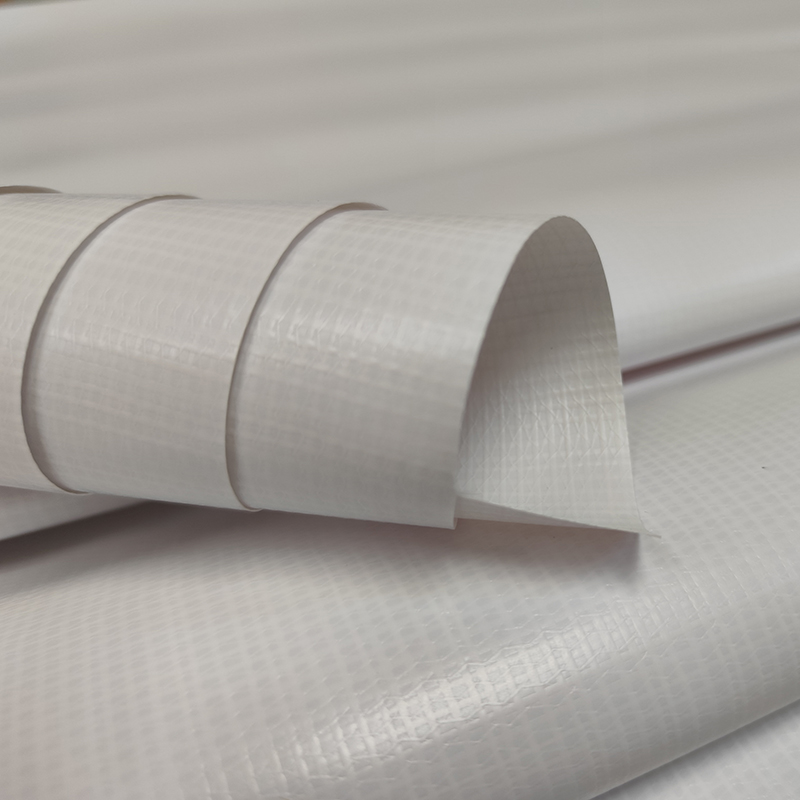
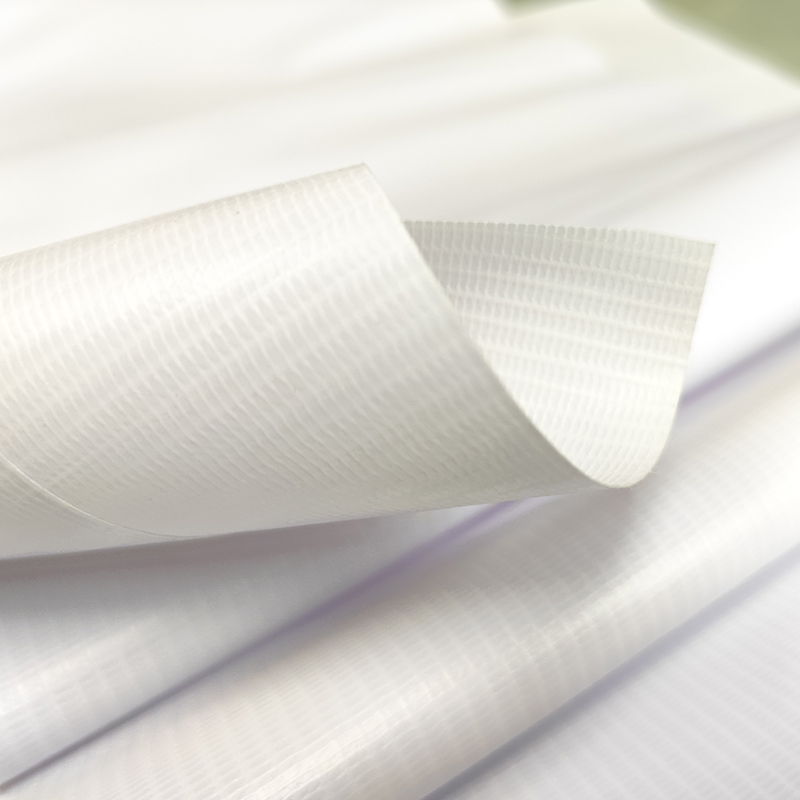
A frontlit flex banner is designed for advertising graphics that are illuminated from the viewer’s side (streetlights, sunlight, storefront lighting). In practical terms, “frontlit” priorities are different from backlit materials: you want a surface that prints sharply, stays visually consistent under changing outdoor light, and resists environmental stress without the image becoming patchy or washed out.
For buyers, the most common friction points are not the print itself, but the outcomes after installation: curling edges, tearing at eyelets, seam splits, color fading, and surface cracking. Selecting the correct frontlit flex banner specification at the start is the cheapest way to prevent reprints and emergency replacements.
From a manufacturer’s perspective, outdoor success is the combined effect of the base fabric and the PVC coating system. The coating determines ink reception and color reproduction, while the fabric structure influences tear resistance, dimensional stability, and how the banner behaves under tension.
A consistent PVC coating helps deliver crisp images and reduces common production issues such as mottling, banding visibility, and inconsistent gloss. In outdoor settings, coating consistency also matters for maintenance: dirt release and surface cleanability are strongly influenced by the coating formulation and cure quality.
A frontlit flex banner for outdoor use should resist rain penetration and remain stable during temperature swings. However, the most costly failures usually happen at stress concentrators: hems, eyelets, seams, and corners. This is why selecting an appropriate gram weight and finishing method is as important as choosing an ink type.
In many installations (street-facing hoardings, construction enclosures, and stage backdrops), uncontrolled light passing through a banner can reduce contrast and make dark areas look gray. Choosing an appropriately opaque frontlit flex banner helps maintain consistent color appearance across daytime and night lighting. As a practical rule, if your graphic includes large dark areas or fine gradients, treat opacity as a must-have requirement rather than a “nice to have.”
Buyer takeaway: the best-looking print on day one is not a win unless the coating, opacity, and fabric strength keep that image stable after wind, sun, and handling.
When comparing frontlit flex banner offers, focus on specifications that directly affect installation behavior and total project cost: gram weight options, fabric width availability, and roll length. These influence seaming requirements, waste percentage, shipping efficiency, and labor time on-site.
For production planning, broad-width material reduces seams (which are frequent failure points in strong wind) and accelerates finishing. For many wholesale buyers, standardizing on a few widths also improves printing workflow and inventory management.
On Dajulong’s frontlit flex banner lines, the available fabric width is 1.0m–3.2m and common roll lengths are 50m / 80m, which helps match both short-run projects and continuous large-format production.
| Series | Common gram weight options (labeled) | Fabric width | Roll length | Practical selection cue |
|---|---|---|---|---|
| 520 frontlit flex banner | 520/220g to 520/380g | 1.0m–3.2m | 50m / 80m | Balanced option for many outdoor billboards and enclosures |
| 550 outdoor frontlit flex banner | 550/280g to 550/400g | 1.0m–3.2m | 50m / 80m | Stronger choice for large façades and higher wind exposure |
Gram weight selection should be driven by the installation method and exposure conditions rather than a generic “heavier is better” rule. Overbuying increases freight costs and can make handling harder, while underbuying increases failure risk at hems and eyelets.
Frontlit flex banner printing quality is usually determined by process discipline rather than “more ink.” In production, the costliest defects are reprints due to color mismatch, drying problems, or surface scuffing during finishing. The following controls are widely used by professional print shops to stabilize output.
Even when the image prints perfectly, surface damage can occur during rewinding, cutting, welding, or packing. As a manufacturer, we recommend that buyers define packing standards (core diameter, interleaf if needed, and outer wrap) to reduce scuffs—especially for glossy surfaces used in high-visibility city placements.
Practical example: for a mall façade graphic with strong brand reds, a short test strip plus a locked profile typically costs far less than a single reprint caused by a shifted red hue under direct sunlight.
Most outdoor failures happen at the edges. This is why finishing specifications should be written as clearly as printing specifications. A high-quality frontlit flex banner combined with weak finishing is still a weak system.
Field reality: a modest investment in reinforced edges and correct eyelet layout often prevents the most common cause of emergency replacement—tearing at the corners after the first heavy wind event.
If you buy frontlit flex banner at scale (print shops, distributors, or project contractors), consistency matters as much as peak performance. Batch-to-batch variation creates hidden costs: re-profiling time, color drift disputes, and unpredictable finishing behavior.
Dajulong positions its frontlit flex banner offering as a practical balance of print appearance and outdoor reliability. Our product pages describe PVC-coated glossy inkjet fabric characteristics such as waterproofing, wind resistance, UV resistance, and opacity, with specifications that support large-format planning (1.0m–3.2m widths and 50m / 80m roll lengths). If you want to compare options quickly, start with our frontlit flex banner overview and then review the two commonly ordered outdoor variants: 520 frontlit flex banner and 550 outdoor frontlit flex banner.
If you are sourcing for repeated campaigns (retail chains, seasonal promotions, city-wide enclosures), the goal is simple: choose a frontlit flex banner spec that installs cleanly, prints consistently, and holds color outdoors. With clear finishing requirements and stable supply, you reduce reprints, reduce onsite risk, and protect your delivery timeline.



 English
  русский
 عربى
عربى Español